The US-Iran war reshaped the Middle East in 2026. Here’s who’s winning, what’s at stake in the Strait of Hormuz, and why the ceasefire keeps breaking.
This isn’t escalating tension anymore — it’s an active war with a ceasefire that keeps collapsing. On February 28, 2026, the US and Israel launched nearly 900 strikes in 12 hours, killing Supreme Leader Ali Khamenei and dozens of officials, in a campaign that ran until May 5. A memorandum of understanding signed just last week was supposed to end it. Four days later, fighting resumed. Here’s who’s actually winning, and why neither side can make peace stick.
The Power Play
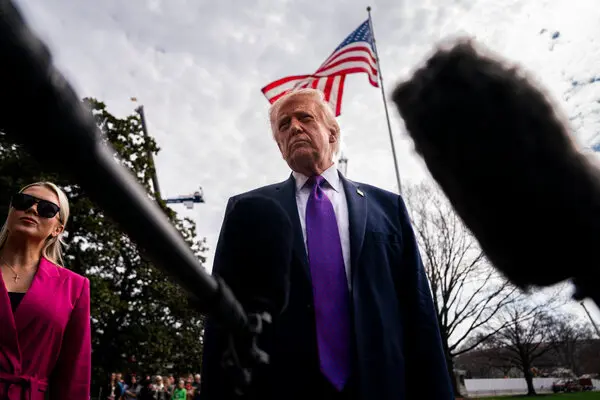
Iran entered this war already weakened — by sanctions, mass anti-government protests, and damage from the 2025 Twelve-Day War with Israel — and the US and Israel calculated they had a rare window to act militarily rather than diplomatically. Trump initially called for regime change and now says it has occurred, though he’s said he distrusts Iran’s new leadership. That’s a striking admission: the US toppled a government and isn’t confident about what replaced it.
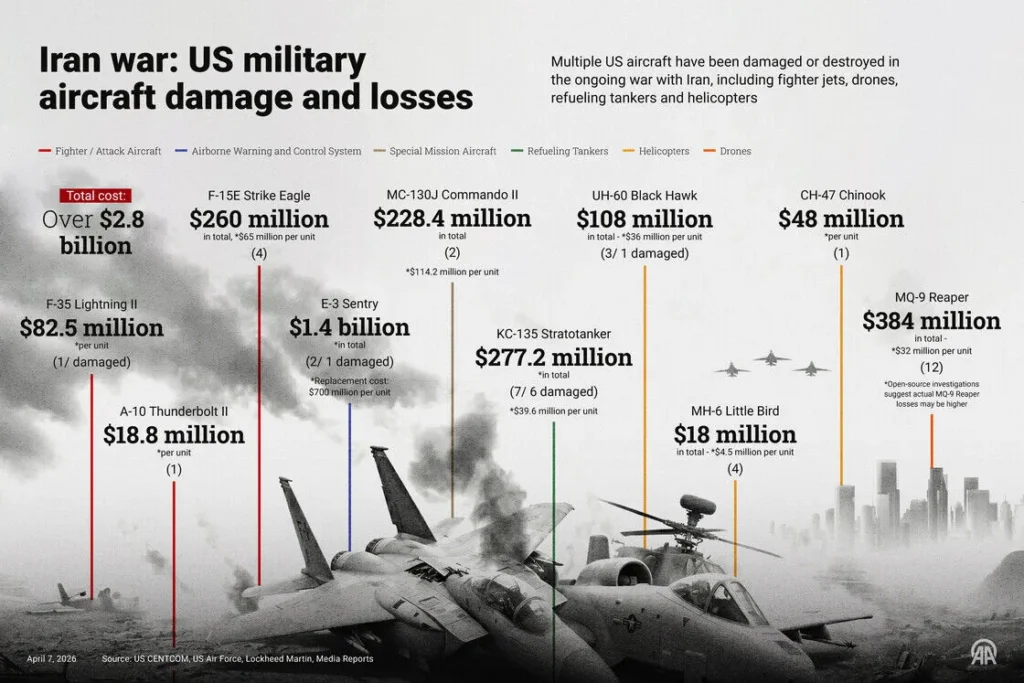
Iran retaliated by firing on US-aligned Arab states and blocking the Strait of Hormuz, triggering a global fuel crisis, which gives Tehran leverage no amount of military weakness can erase — roughly a fifth of the world’s oil moves through that waterway. The MOU stipulated the strait would reopen and fighting would stop, with VP JD Vance taking the lead on negotiations. But Oman, which is mediating reopening logistics, has told European officials there’s “no way of going back to the pre-war status quo,” and is considering charging ships fees to pass — raising US, European, and Gulf fears that Oman may end up effectively collaborating with Iran on toll collection.
Why It’s Escalating Again Right Now
The latest flare-up began Thursday when Iran struck a Singapore-flagged cargo ship in the strait with a drone. The US retaliated Friday, accusing Iran of violating the ceasefire, then launched a second wave of strikes Saturday at Trump’s direction. Iran responded by hitting “targets linked to American aggressor forces,” and its Revolutionary Guard Navy warned that US forces “will experience hell in the coming days.” By Sunday, fresh strikes hit Iranian radar, drone storage, and coastal defense sites — and Iran said it struck back in response.
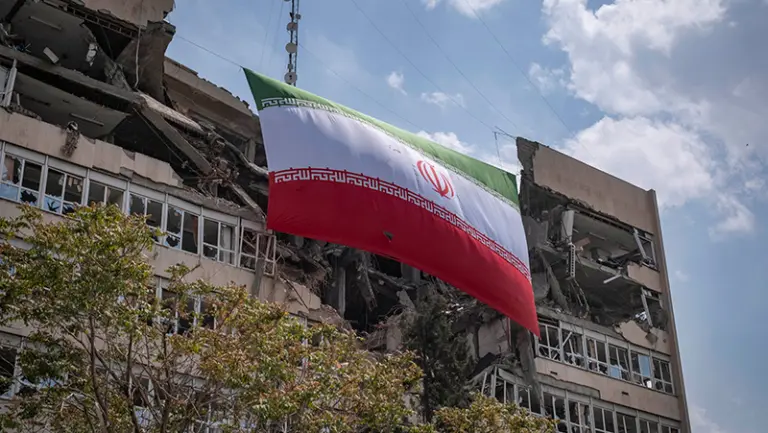
The civilian cost on both sides has been severe. The opening February strikes alone killed about 170 people when a missile hit a girls’ school next to a naval base near Bandar Abbas. Iran’s broader counter-strikes hit Bahrain, Jordan, Kuwait, Oman, Qatar, Saudi Arabia, and the UAE, plus Iraqi Kurdistan, and triggered a parallel war between Israel and Hezbollah in Lebanon that displaced over one-sixth of Lebanon’s population. Dubai residents got a missile alert telling them to evacuate, later walked back as a false alarm — a glimpse of how on-edge the entire Gulf region now is.
What happens next genuinely diverges depending on whether the strait reopens cleanly. If it does, Treasury Secretary Scott Bessent says gas prices should fall as energy markets stabilize. If Oman’s toll idea goes ahead and Iran gets paid to “allow” passage through international waters, that’s a precedent the US has flatly rejected — the Trump administration has consistently denied any possibility of Iran or Oman charging fees for the waterway.
What Most Coverage Is Missing
The diplomatic backstory explains why this war happened at all, and it’s uglier than “Iran was building a bomb.” In the lead-up, Iran had actually made a surprising offer on its nuclear program in February, and both sides agreed to meet in Vienna to work out details — before the US and Israel struck instead. Diplomats said US envoy Steve Witkoff had previously misrepresented Iran’s negotiating position, including an Iranian offer to suspend enrichment for several years, and Saudi Arabia’s own defense minister had reportedly warned US officials about the risks of not attacking Iran. That combination — a live diplomatic track plus regional pressure to strike anyway — undercuts the simple “diplomacy failed, so war was necessary” narrative most coverage assumes.
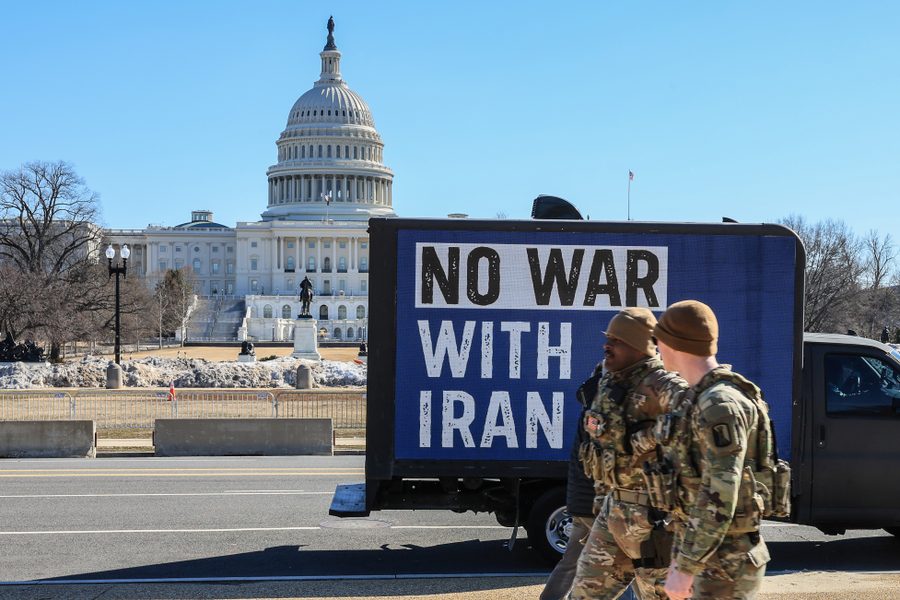
There’s also a domestic dimension getting lost. The protests that weakened Iran’s negotiating position before the war were enormous — 5 million people across more than 100 cities, the largest since the 1979 revolution — and were met with violent government repression described by multiple sources as massacres. Those protesters wanted the regime gone for their own reasons; they didn’t ask for a foreign war that’s now devastating their country’s infrastructure alongside it.
The US and Israel won the opening battle by killing Iran’s Supreme Leader in February, but seven months later neither side can hold a ceasefire for longer than a week, and the Strait of Hormuz — not the battlefield — is where this war will actually be decided.
Leave a Reply