SpaceX’s record $2T+ IPO and Starlink’s near-monopoly give Elon Musk leverage over wars and governments. Here’s what that means.
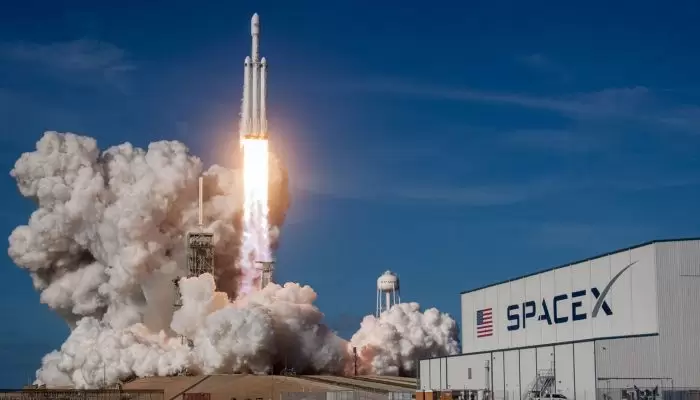
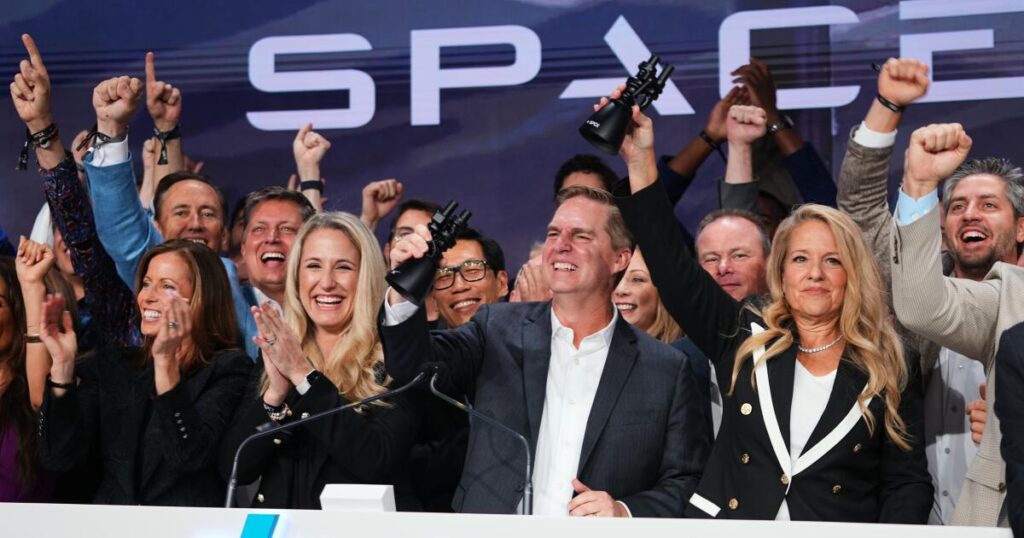
Elon Musk just became the richest individual in human history, and it didn’t happen through Tesla or X. SpaceX completed the largest initial public offering in financial history, raising approximately $75 billion at a valuation of $1.77 trillion when it debuted on the Nasdaq on June 12, 2026. Shares jumped 20% on the first full day of trading, pushing the company’s market cap above $2 trillion, and briefly as high as $2.6 trillion at its peak — for a moment, the fifth-largest publicly traded company on Earth, ahead of Amazon. That’s not just a Wall Street story. It’s a geopolitics story, because the company behind that valuation runs the only satellite internet network that actually works at global scale — and increasingly, that network decides who gets to communicate during wars.
The Power Play
Musk will hold over 82% voting control after the IPO — public shareholders bought cash flow, not influence. He merged SpaceX with his AI venture xAI in February 2026, putting rockets, satellites, and frontier AI under one roof, one vote.
Starlink generated $11.4 billion in 2025 revenue, 61% of SpaceX’s total, and had topped 10.3 million customers across 160 countries by March 2026 — a fraction of the size of its closest rival, Eutelsat’s OneWeb, which runs just over 600 satellites. Foreign Policy doesn’t soften it: Starlink is a quasi-monopoly with no near-term peer. Europe is racing to build a rival network in IRIS², and China has GuoWang and Qianfan, but neither is close to matching it yet.
That gives one company — and one man — a role no private actor has had before. SpaceX now helps decide who connects, where, and under what conditions, in conflicts where that decision carries real military weight.
Why It Matters Now
Ukraine is the clearest proof. In February 2026, SpaceX enforced stricter whitelist controls that cut off unauthorized Starlink terminals Russian units had been using, disrupting their battlefield comms. A Moscow official said the move stalled planned Russian strikes — and the resulting gap helped Ukraine retake 10-12 km of territory in its spring 2026 counteroffensive.
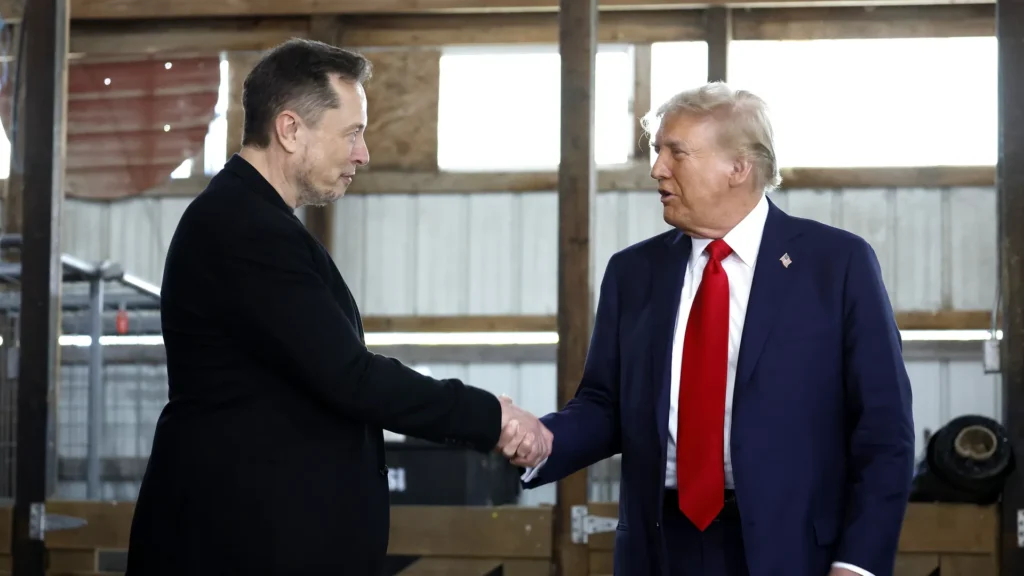
It cuts the other way too. Musk has refused to activate Starlink for a Ukrainian strike on Crimea, and President Trump has threatened to shut it off in Ukraine entirely as leverage in peace talks. Even SpaceX’s own president has pushed back on how it’s used: Gwynne Shotwell objected to Ukrainian forces mounting Starlink terminals on attack drones, drawing direct criticism from Zelenskyy’s camp.
It’s not just one war. Sudan’s Rapid Support Forces smuggle in Starlink terminals through the UAE to coordinate combat; Iranian protesters used smuggled terminals to get online during a 2026 government internet shutdown; and Musk personally offered free Starlink to Venezuelans after the U.S. captured Maduro — foreign policy by private citizen.
Underneath it all: there’s no settled international rule on whether jamming a commercial satellite network counts as a use of force under the UN Charter, even though a terminal serving a civilian in the morning might support a military strike by afternoon.
What the Skeptics Say
The valuation has real doubters. SpaceX lost nearly $5 billion in 2025, and CFRA rates the stock a “sell,” with a price target nearly 29% below where it’s trading. A finance lecturer told CNBC the company owes investors more than “poetry” given the scale of spending it’s asking them to fund.
Others disagree just as hard: NewStreet Research set a bullish $165 target, arguing the business needs a longer time horizon than most stocks.
The monopoly has limits too. The Pentagon is watching electronic-warfare pressure on Starlink in Iran as a test of whether sustained jamming could degrade it — with implications for how reliable it’d be in a Taiwan crisis. And Musk has confirmed Beijing pressured him for assurances he wouldn’t deploy Starlink over China or Taiwan, showing the leverage runs both directions.
There’s an environmental cost most coverage skips: Starlink satellites last under five years, with one or two burning up daily, releasing aluminum oxide that may affect the ozone layer. And even Ukraine’s military isn’t fully comfortable with how dependent it’s become: officials have acknowledged the over-reliance but say no equivalent alternative exists.
For the first time, one person’s private company — not a government — can decide in real time whether soldiers and dissidents around the world get to talk to each other at all, and a $2 trillion IPO just gave him the war chest to keep it that way.
Leave a Reply